
Breed: Rare And endangered native birds
Temperament: Wild and timid
Cost: $500 plus
Lifespan: 5 – 7 years
Recommended For: Experienced birdkeepers only
Maintenance: High
History: As Australian cities develop and spread, less land is available as habitat for native species. While high profile animals such as koalas get media coverage, many of the smaller birds are quietly being forced into extinction.
In Perth there have been some major developments in the preservation of bird species through advanced captive breeding. Selected aviculturalists have been allowed to breed threatened species in captivity. Some, like the Red-eared Firetail could become extinct if not for the success of these programs.
With permission from the Western Australia’s Department of Conservation and Land Management (CALM) specialist birdkeepers such as Jon Middleton, have been allowed to trap species including the Redeared Firetails and Southern Emu Wrens for captive breeding programs.
Despite their life in the wild, the birds have bred and thrived under aviary conditions. They do, however, require highly specialised structures, plantings and diets to maintain the level of successful breeding.
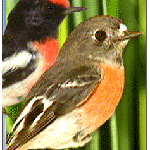
Species: The birds featured are categorised as softbills, which means they eat insects and fruit or nectar. Species bred in the aviaries featured included Orange Chats, Crimson Chats, Red-capped Robins, Scarlet Robins, Yellow Robins and the Southern Emu Wren.
Feeding: The feeding demands of these birds is complex. Live feed is vital in their diet and includes meal worms, fly pupae and crickets. These can be bred (or hatched) by the birdkeepers under strict, hygienic conditions.
While birdkeepers are achieving milestones in the captive breeding of these species, it comes at a cost of time, patience and attention to detail.
Further information
Breeder
Jonathan Middleton
Phone: (08) 9337 1296
Australian Birdkeeper magazine is a good source of native bird information and includes contact lists for avicultural organisations.