
Search 1000s of Fact Sheets
Gardens
Pets
Lifestyle

Keywords

Subcategory

Keywords

Exact matches only

Subcategory

Keywords

Exact matches only

Subcategory

Magazine Links
Click here for bonus Burke's Backyard magazine fact sheets, competition terms and conditions, photo galleries, and weblinks for stories featured in our current issue.

ADVERTISEMENT.
ADVERTISEMENT.
In the Magazine

Kentia Palms

In the Garden > Flowering Plants & Shrubs

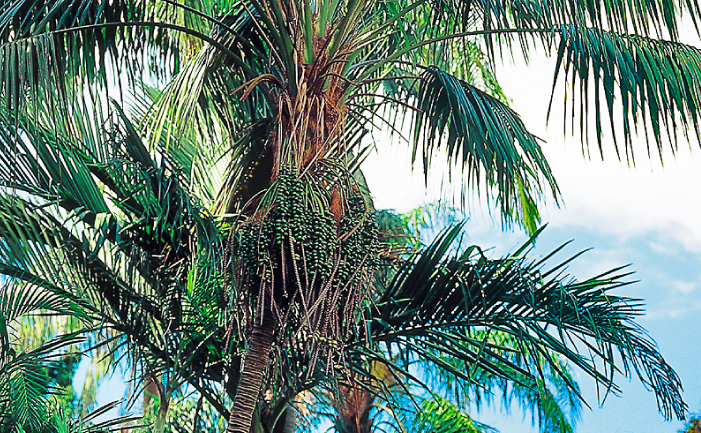
The kentia palm (Howea forsteriana ) is one of the most beautiful palms in the world, and is suitable for growing either indoors or outdoors. An Australian native palm, the kentia has been grown in Europe since the 1850s. During the 19th and early 20th century it was a fashionable plant used for interior decoration (the palm of the popular Palm Court Orchestras). Today it continues to be highly favoured as an indoor plant and is grown around the world.

Appearance

Occurring naturally on Lord Howe Island, from where it derives its genus name Howea, the kentia palm has a slender trunk and a graceful crown of dark-green drooping fronds. The trunk can grow 5-15m (15-50') tall, but in an open position (such as in a garden) rarely grows more than 4m (12') tall.

Preferred climate

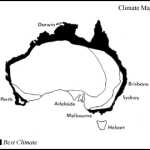
On Lord Howe Island kentia palms grow in dense colonies in sandy soils close to the sea. Elsewhere they grow well in coastal areas, from the northern sub-tropics south to Melbourne. They can be grown almost anywhere as an indoor plant.
Position and care

Kentia palms prefer well-drained soil that is rich in organic matter. Mulch around the plants or encourage the natural mulch of fallen fronds to collect. Fertilise at least once a year and water regularly, especially during dry periods. Water indoor palms more sparingly, watering only when dry. Kentia palms will tolerate mild frosts. Direct sun can burn young plants so give palms some protection until they are about five years old.

As indoor plants

Kentia palms will grow slowly in a tub for many years. To keep plants in the same container, replace old spent soil with new potting mix from time to time. The kentia palm will withstand quite dark and dry corners of your house, and will tolerate a degree of neglect. However they grow best with good light and regular care.

Kentia palms grown as indoor plants benefit from regular spells outside in a shady, moist position. Such a break will allow rain or hosing to wash the dust from the palmâs leaves, refresh the plant and encourage new growth.

A curly relative

Howea belmoreana is another species of kentia palm, sometimes called curly palm, also found only on Lord Howe Island. It is distinguished from H. forsteriana by its smaller, curled fronds and very slender growth. It will grow to around 7.5m (25') but is usually smaller. It is often found growing in colonies on Lord Howe Island with H. forsteriana.

Other native palms

The Bangalow palm, Archontophoenix cunninghamiana, is another Australian native plant often found in gardens. The Bangalow is native to parts of eastern Australia. It is a tall palm usually reaching around 6m (18') tall in garden but can be much larger in the right position. One particularly attractive feature of this palm is that it is very clean in its growth: when old leaves die, they fall completely away, so there is no dead foliage hanging from the trunk.

Planting tip

Palms look best planted in groves or clumps with palms of different heights growing together. The small growing pygmy date palm (Phoenix roebelinii) can be combined with other, taller palms to achieve the effect of a dense palm grove
Availability and cost

1. Plants. Kentia palms are widely available but, as they are slow-growing, established plants can be expensive. Nursery palms will have been conditioned to a particular type of environment, for either initial use as an indoor or garden plant:

  • Indoors or semi-shade: prices start from $25 for a 20cm (8") pot to $70 to $80 for a palm 1.8 metres tall in a 30cm (12") pot.
  • Sun grown for immediate outside use: prices start from $50 for a 25cm (10") pot to $700 for an advanced palm 3.5m tall in a 150 litre bag.

2. Seeds. Kentia palms can also be grown from fresh seed although plants can take between one and three years to germinate. Seed collectors may be interested in purchasing seed from mature kentia palms. 

Copyright CTC Productions

Disclaimer:  Burke's Backyard and Backyard Blitz do not accept payment to promote products. All recommendations are genuine. Details on the fact sheets are accurate at the time of publishing, however prices and contact information are not updated and may change.

Members

JOIN NOW

Members

It's free! Sign up now to
join our forums, get
special offers, enter
competitions and bonus
articles

View all forums
ADVERTISEMENT
ADVERTISEMENT
The Message Board

Get help, share your knowledge

2385 posts
787 users
1487 posts
471 users
876 posts
386 users
809 posts
291 users
245 posts
136 users

View all forums

Members
The Lazy Gardener
The Lazy Gardener
Don Burke’s all new ‘The Lazy Gardener’ is out now.
buy now
Home Grown
Home Grown
Gardening and cooking for good health and
great taste.
buy now
Indigenous
Indigenous
Don Burke's story, his own stunnning native garden, plus expert advice and tips
buy now
Hats and T-Shirts
Hats and T-Shirts
Burkes Backyard Hats and T-Shirts available
in a variety of sizes
buy now
 

DVDS

Sit back and travel the world with Don and get to know the locals, too.

buy now

  DVDs
© 2007-2009 CTC Productions, All Rights Reserved
Home | Message Board | Fact Sheets | Members | Magazine | Subscriptions | CTC Facilities | About Us | Privacy Policy | Contact Us