
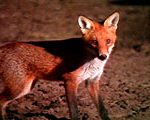
Making Your Garden Fox Unfriendly
The European red fox (Vulpes vulpes) was first released in Melbourne in 1855 for recreational hunting. Today it is one of the most widely spread feral animals in Australia, and is present in every state except Tasmania. Once perceived to be a rural problem, foxes are now firmly establishing themselves in urban areas, in some cases less than ten minutes from the heart of major cities in eastern Australia. They live in the drain systems and under houses near bushland, with as many as 10 to 12 foxes per square kilometre in some areas. Foxes have become adapted to hunt in low light conditions, and have highly developed hearing, eyesight and sense of smell. They are predominantly carnivores, although they are opportunistic feeders and will eat whatever is available.
Controlling foxes
Foxes must be controlled in order to conserve and protect native animals, and to protect domestic animals and livestock. They play a role in spreading weeds such as lantana, and they carry diseases which can spread to dogs and then transfer to humans. The only effective control method at the moment is the use of 1080 baits. However, the CSIRO is developing an immuno contraceptive vaccine that will act like a birth control pill for foxes. Another suggestion is to harvest foxes for their fur, even though wearing fur is no longer fashionable.
Foxes in the backyard
If you notice areas of the garden have been dug up, a fox may be living in your backyard. Your pet’s food may also be disappearing at an alarming rate, while your pet is losing weight! Andrew Glover from the Rural Lands Protection Board suggests making your backyard fox unfriendly by reducing access to food and shelter. In particular: clear fruity weeds such as lantana, pittosporum and blackberry clear overgrown vegetation which may provide a hide keep garbage bins tightly closed don’t leave pet food out provide sturdy hutches to protect rabbits, guinea pigs and poultry provide a refuge for waterfowl using islands in ponds and dams.