
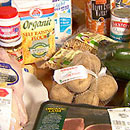
Dr Rosemary Stanton discussed the advantages and disadvantages of organic foods. Today, most supermarkets stock a wide range of organic foods, including fresh fruit and vegetables, meat, chicken, dairy products, as well as processed cereals, pasta, soups, vinegar, breads, olive oil, sugar, tahini and honey spreads.
Advantages
Blind taste tests claim that many organic foods taste better, especially fresh foods such as apples, strawberries and tomatoes. Free range chickens and eggs are also full of flavour. Organic products don’t have more vitamins than ordinary foods, but their mineral content may be greater, especially if they are grown with lots of organic fertiliser. A new study has shown higher levels of an important anti-oxidant called lycopene in organically grown tomatoes, compared with hydroponic ones. More studies are needed, but higher levels of anti-oxidants could be the real nutritional advantage of organic foods. There’s little doubt about the environmental advantages of most organic produce. Organic crops are grown without pesticides or chemical fertilisers, and they’re not genetically modified.
Disadvantages
Organic foods sometimes cost more, which is a problem if people can’t afford to eat as many fruits and vegetables as they should. Most Australians need to eat more fruit and vegetables. The quality of organic foods can occasionally be a problem. Wilted produce – including organic vegetables – is not a good buy, because wilted vegies lose their vitamins. The most important thing about buying fruits and vegies is to choose the ones that look fresh. Rosemary recommends washing all fruit and vegetables in water (don’t use detergent) to get rid of any dirt, residues and bacteria.
Organic meat
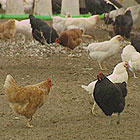
Organic meats are produced by giving animals pesticide-free food. They are also produced without using growth hormones (which are given to some Australian beef cattle). Hormones have been banned in meat production in Europe since 1988, so all meat for export to Europe is hormone-free. Contrary to popular belief, hormones haven’t been used in chickens in Australia since the 1950s. Modern chickens are big and fatty because they’re cooped up without exercise, and so they eat more. The same thing happens with humans who are inactive. Organic or ‘free range’ chickens are allowed to run around. As well as being much happier, they’re usually less fatty and they have more flavour.
Conclusion
The best way to avoid possible pesticide residues in food is to buy organic. As organic foods become more popular prices will fall, and it should be easier to buy good products at reasonable prices. Growing your own vegies in the garden is an even better idea.
Rosemary prefers meats produced without hormones, but she says that proper labelling is needed, so consumers can make an informed choice.