
Red Colouring
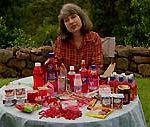
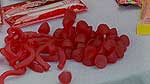
Red food colouring is commonly added to iceblocks, lollies, jellies and cordials, and also to some jams, yoghurts and breakfast cereals designed to appeal to children. As many children drink a lot of cordials, red cordials are a big source of red food colouring in their diet. Those who drink a lot of red cordial could easily go close to, or even over the maximum recommended intake.
The Australia New Zealand Food Authority monitors our intake of food additives, and it recently found that some people could be having too much red colouring. In particular they have recommended reductions in the amounts of the red food colouring amaranth (food additive 123). But there are many other food additives that provide red food colouring in foods.
Diet cordials and soft drinks may also become a diet problem if they’re sweetened with cyclamate (food additive 952) and consumed in large quantities. Some people are drinking so much of these beverages that they’re going over the recommended limit. To make it harder to consume too much cyclamate, the amount that manufacturers can add to foods has now been cut by more than two thirds. This is a very good move.
What to do
If you want your kids to reduce the amount of additives they are consuming, particularly food colouring, check food labels when you shop. Colouring additives are numbered between 100 and 200. If you occasionally have some food with colouring, remember that a little bit won’t hurt you. However, for a healthy diet, it is better to choose fresh foods without any colourings at all.