



Smart Drinks
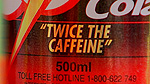
Tea, coffee and cola drinks all contain caffeine, which is the most widely used drug in the world. Caffeine is also found in the so-called ‘smart drinks’ or energy drinks that have now come onto the market. In most of these drinks the caffeine comes from guarana, an extract from the crushed seeds of a Brazilian vine (Paullinia cupana var. sorbilis). Guarana is very high in caffeine and has been used as a tonic and a stimulant in South America for thousands of years.
How much caffeine is in the new drinks?
About the same amount as a cup of coffee. A typical cup of coffee (e.g. a mug of instant coffee or a short black) contains 60-80mg of caffeine, a cup of tea has 30-50mg, and smart drinks have around 80mg. Australian food regulations limit the amount of caffeine that can be added to drinks, but some of these products are imported from New Zealand where higher levels are permitted.
Other additives
Some ‘smart drinks’ contain taurine, an amino acid we normally get from foods like meat and fish. There’s no evidence that extra taurine is beneficial, or that too much taurine could be a problem. However, our food authority recommends that we don’t consume more than 60mg of added taurine a day. Some of the new drinks have more than 60mg of taurine. They are also very sugary.
Conclusion
The new ‘smart drinks’ are basically expensive ways to get a caffeine hit. Too much caffeine can make you jumpy and irritable, and also causes insomnia. As shown on the containers, these drinks are not suitable for children or for pregnant women.
Further information
Smart or energy drinks are sold at supermarkets, service stations and gyms. Caffeine, sugar and taurine levels vary from product to product and are listed on the containers. Prices of these drinks vary significantly but a 250-300ml container of most brands costs around $2+.