
Diabetes
Type 2 diabetes is one of the fastest growing health problems in the world, with approximately 120 million people affected. 780,000 Australian have Type 2 diabetes and surveys show another 400,000 have it without realising they have a problem. Type 2 diabetes used to be called adult-onset diabetes, and it occurs mainly in people over the age of 40. However, we are now finding it is occurring in people in their 20s and 30s, and even in some overweight teenagers. People with diabetes have two to three times the risk of early heart disease, and develop serious problems with their eyes and kidneys.
Signs and symptoms include:
too much fat around the waist feeling tired increased thirst frequent urination blurred vision numbness and tingling in the feet or legs recurrent infections
How it happens
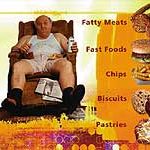
Excess body fat and lack of physical activity are the major causes of Type 2 diabetes. The main dietary risk factor is saturated fat, which we get from fatty meats, full-cream dairy products, fast foods, chips, biscuits, pastries and most fried foods. Consuming too much saturated fat allows a layer of fat to accumulate round every cell in the body, and forms a barrier that stops glucose getting out of the blood and into the cell to provide energy.
Diagnosis
If you’re always feeling tired and passing lots of urine, ask your doctor to do a simple blood test to see if you have diabetes. The sooner treatment begins, the better your chances of avoiding further health problems.
What to do
Lose weight and do some exercise. It is also important to choose carbohydrate foods that are digested slowly so you don’t flood the blood with too much glucose at once. The Glycaemic Index (GI) of a food measures how quickly the carbohydrates in the food are digested. Foods with a low GI are digested slowly and are ideal for people with diabetes and for anyone who wants to keep hunger pangs at bay for longer. Low GI foods include wholegrains such as grainy breads or loaves with added soy and linseed, rolled oats, muesli, barley, cracked wheat, all kinds of dried beans and peas, apples, sweet potato, sweet corn, low-fat dairy products like milk and yoghurt, as well as pasta of any kind (as long as you eat it like the Italians – ‘al dente’ or slightly undercooked).