
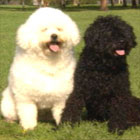
Hungarian Puli
Breed: Hungarian Puli
Temperament: active nature with a strong guarding instinct
Lifespan: 12-15 years
Maintenance: medium to high
Recommended for: active families with time to groom
History
The Puli’s forefathers were likely to have originated in Western Asia. Once the working companions of nomadic tribesman, breeders claim these tribes brought these dogs across to Eastern Europe. Despite almost dying out during the Second World War, the Puli remains today as both a loyal companion and a working dog for Hungarian shepherds.
Appearance
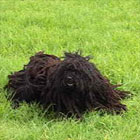
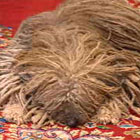
When born, the Puli pup can easily resemble a ball of cotton wool. But as it grows, so too will its coat, eventually starting to mat and cord naturally, just like dreadlocks. In fact it is one of only a small handful of dog breeds who’s unique hair would even rival reggae’s king, Bob Marley. But don’t let its unkempt look fool you. The ‘mop’, as it is affectionately called, may look like a no-fuss pet but it actually needs a lot more care than you might think.
Pulix (plural for Puli) are medium in height, around the same as an Australian Cattle Dog, but the coat disguises the fact that the Puli is much lighter in frame. In Australia, Pulix are predominantly available in black, though apricot and white are present in limited numbers.
Temperament
Owners have described the Puli as ‘fiercely loyal to the family and protective of its property’. The breed is characteristically quite vocal and can sound quite vicious, making for an excellent guard dog though remaining wary of strangers. As the saying goes, ‘its bark is worse than its bite’. Or so it should be, however the breed’s herding instincts do remain, and some Pulix have been known to bite. This working heritage also fortunately gives the breed a high degree of trainability – an essential element enabling the owner to adequately control their dog, as long as they provide obedience training.
Health and lifespan
Australian Pulix average up to 15 years of age. Throughout the world, the breed is known to suffer from degeneration of the hips and several eye conditions. Breed clubs in Australia are nevertheless conscientious in screening against these conditions. Thanks also to a rigorous selection process, responsible breeders will only sell dogs which they believe to have suitable temperaments.
Maintenance
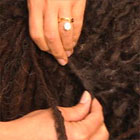
Initially a high maintenance dog. Whilst the coat is growing during the dog’s adolescence, the hair needs to be trained in such a way to ensure that the cords don’t tangle together. As the dog matures the cords will grow evenly over the body in layers – the thick top coat protecting a fine undercoat. Once fully grown, the corded coat won’t need any brushing, but it can still take up to five years for the coat to reach full development and, much like to poodle, the coat doesn’t shed.
However once the coat is fully grown, time required to maintain it is reduced. Older dogs will still need around two hours every few weeks to pull knots apart as Puli skin is quite sensitive and doesn’t tolerate knotting. The coat requires washing every six weeks to two months and it can be difficult to get the soap to penetrate the cords. Any soap not removed may also irritate the skin. The dogs may be clipped, but this is quite unusual. After all, why go to the trouble of owning such a dog if not for its coat? Limited clipping is often done around the eyes and the hindquarters, to facilitate hygiene.
Ears also demand regular cleaning. They’re quite long and are prone to collecting dirt, causing irritation.
Ideal owner
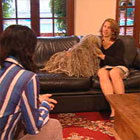
Not a breed to suit most tastes, the Puli is however a fascinating dog guaranteed to stir interest. It’s a pretty active breed, enjoying regular exercise but equally content to hang around under its owner’s feet. The Puli would suit active, single owners who may want a good guarding dog. Or a family with older, mature children. Although the chances of it becoming attached to a single family member are high. Young kids are likely to pull on the hair, which is rarely appreciated by the dog. So young families should perhaps look elsewhere for a more suitable breed. If purchasing a puppy, always satisfy yourself that you are selecting a dog from a reputable breeder who is mindful of their dog’s temperaments.
National contacts
To find up-to-date contacts for breeders, contact the following organisations.
Dogs NSW
www.dogsnsw.org.au
Email: [email protected]
Phone: (NSW only) (02) 9834 3022
Dogs Victoria
http://www.vca.org.au
Email: [email protected]
Phone: (03) 9788 2500
Dogs ACT
https://dogsact.org.au
Email: [email protected]
Phone: (02) 6241 4404 –
Dogs West
https://www.dogswest.com/dogswest/Home.htm
Email: [email protected]
Phone: (08) 9455 1188
Dogs SA
http://www.dogssa.com.au
Phone: (08) 8349 4797
Canine Control Council of Queensland
https://dogsqueensland.org.au
Email: [email protected]
Phone: (07) 3252 2661
Tasmanian Canine Association
http://www.tasdogs.com
Email: [email protected]
Phone: (03) 6272 9443
Dogs NT
https://www.dogsnt.com.au
Email: [email protected]
Phone: (08) 8984 3570