
Natural Defences of Plants
Don demonstrated that diagnosing sick plants is not as straightforward as it seems. Also, that something as simple as watering the garden is actually one of the most complex arts in horticulture.
Caterpillar problem?
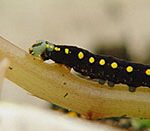
One plant in a row of camellias (Camellia ‘Yuletide’) was sick. It had been attacked by caterpillars and was almost completely defoliated. Many people would look at that plant and conclude that the caterpillars caused the problem. They would then go out and buy an insecticide and spray it onto the plant. However, insect attack is really a sign that the natural defences of a plant are not working. When insects such as caterpillars start chewing at the leaves of a healthy plant, the plant produces toxic chemicals that repel or seriously disadvantage the attackers. Plants that are stressed may also show signs of attack by scale, mealy bug and other sucking insects. Instead of spraying, look for the real cause of the problem to find out why the plant’s natural defences failed.
Factors that stress plants
When trying to work out why your plant is sick, take these factors into consideration. Your plant may be:
Growing in the wrong climate (eg too cold, too hot, too humid)
Growing in the wrong amount of light (eg too shaded, too sunny)
Suffering from lack of fertiliser
Suffering from incorrect watering (eg too little so the plant dries out, or too much so the plant is sitting in water-logged soil)
Overgrown by other plants (eg weeds)
(Tip: To carry out your investigations, use your hands to feel and prod the soil beneath the surface.)
Sick camellia
There was no obvious reason why the camellia was dying. Others in the row were growing well. It was growing in the right climate with appropriate sunlight. It had been fertilised and appeared well watered by the watering system and recent heavy rain.
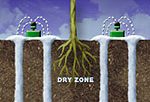
Although the ground looked wet, digging around in the soil soon showed that it was bone dry just below the surface. In fact, the irrigation system had not been working properly, so the plant and its surrounding soil had dried out. The plant was stressed and had become susceptible to insect attack. Extremely hot summer weather had made the lack of water worse.
Fixing water repellant soils
First, wet the soil mechanically. Don used the nozzle on the garden hose to inject water down into the dry soil. This was done repeatedly until the soil began to absorb the water.
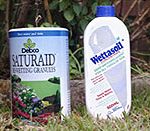
Once the soil is wet, treat it with products such as Saturaid or Wettasoil to keep the soil wettable. Further information
Soil wetting agents such as Saturaid, Wettasoil and others are available at nurseries, hardware stores and some chain stores for around $10 for a large container.