

Tooth decay is the most expensive diet related health problem in Australia. Yet, according to nutritionist Dr Rosemary Stanton, it is almost entirely preventable.
Enamel erosion
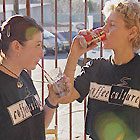
There’s good evidence that fluoride added to water and toothpaste has decreased cavities, but we still have an increasing incidence of erosion of dental enamel due to poor diet. Dental erosion occurs when acids eat into the hard enamel that covers teeth. Acidic drinks, such as soft drinks, fruit juices and sports drinks, are major culprits. If you sip acidic drinks slowly your teeth are bathed in acid. It’s better to drink them quickly, or use a straw. The most severe damage done to tooth enamel comes from chewable vitamin C (ascorbic acid) tablets. Dentists say that chewing these tablets means the ascorbic acid is ground and forced into the teeth. So, either buy tablets you can swallow, or get your vitamin C from natural sources such as fruits and vegetables.
Sugar
Holes or cavities also form when bacteria in the mouth ferment refined starches or sugars to produce acids. Pre-school children, teenagers, young adults and people over 65 are most at risk. Any refined carbohydrate can cause decay although sugar is the worst offender, so try and skip biscuits, cakes, lollies, crisps and sticky muesli bars, especially between meals.
Special care for kids
The Australian Dental Health Association says that 10% of pre-school kids have potentially serious tooth decay. So take care what your children eat and drink, and help small children clean their teeth. Toddlers and even babies who don’t yet have teeth should not be given sweet drinks from a bottle.
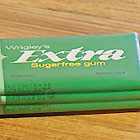
To protect your smile: eat more fruits and vegetables and fewer refined and sugary foods brush teeth twice a day using a regular fluoride toothpaste (kids should use a low-fluoride toothpaste) and use dental floss try sugarless chewing gum – it helps stimulate saliva, which remineralises the teeth visit your dentist regularly