
How To Lower Your Cholesterol
The Australian Diabetes, Obesity and Lifestyle Study found that six million Australians over 25 years of age had cholesterol levels above desirable levels. Many rely on cholesterol-lowering tablets, but one drug has recently been taken off the market and eligibility for the others has been tightened up. The good news from Rosemary Stanton is that a few changes to your diet can help lower cholesterol.
Saturated fat
Many people cut back on saturated fats by choosing lean meats, skinless chicken and low-fat dairy products. However, over 40% of the saturated fat we eat comes from vegetable fat. Some saturated fats start out as unsaturated vegetables oils, but processing changes them to saturated fat. Processed vegetable fat (listed on labels as ‘vegetable oil’, ‘vegetable fat’ or ‘vegetable shortening’) may have more saturated fat than beef dripping or lard.
Healthy choices
By selecting the following types of foods you will be eating foods that are low in all types of saturated fats.
Bread – all good, but wholegrain is best.
Cereal – rolled oats, Weetbix, Vita Brits, bran cereals or muesli. If buying toasted muesli look for one labelled ‘low-fat’.
Dairy products – many low-fat products are available. If you must use a yellow spread, probably the best choice is one made from canola or olive oil. The plant sterol products do reduce cholesterol, but they also reduce the absorption of some beneficial vitamins and compounds found in fruits and vegetables. If you use these spreads, don’t give them to the kids and eat extra fruit and vegies. Be careful with cheeses, because some fat-reduced products still have lots of fat left. Choose a product with less than 7% fat (often labelled 93% fat free), or a low-fat fetta or a parmesan where the stronger flavour means that you only need a small amount.
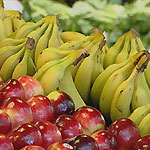
Fruit – excellent fresh, dried or canned.
Nuts – fine, because they contain monounsaturated or ‘good’ fat, which won’t raise cholesterol. 15 studies now show that nuts have benefits for heart health.
Pasta and rice – all okay except for fried rice and some instant noodles. Many of the 2-minute noodles have too much fat and salt. Plain noodles are a better buy.
Pasta sauces – choose those that feature vegetables and skip the cream sauces.
Seafood – fresh or canned.Oysters and prawns have almost no saturated fat and the omega 3 fats in fish may help prevent heart attacks.
Snacks – fresh or dried fruits, or nuts. Avoid crisps (including soy crisps) and biscuits because they are high in saturated fat. Instead of biscuits go for rice cakes, low-fat crackers or the occasional biscotti. Or, break the biscuit habit and switch to raisin toast, a crumpet with honey or a muffin.
Vegetables – excellent fresh, frozen or canned. They are packed with antioxidants which can stop bad fats doing at least some of their damage. Avocados have some fat, but it’s the ‘good’ kind, like nuts and olive oil.
Conclusion
If you need to lower your cholesterol, there are lots of foods that you can eat. However, it’s important to remember that you need to avoid all saturated fats, not just animal fats. The most important foods for the heart are seafoods, fruit and vegetables. An occasional small indulgence won’t do any harm, as long as you do the right thing most of the time.