
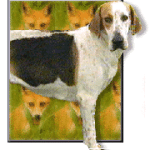
Breed: Foxhound
Temperament: Active, single-minded
Lifespan: 10-12 years
Recommended for: Active, experienced dog owners
Maintenance: Low
Although this is a dog most people recognise, the Foxhound is quite rare in Australia. It’s the dog seen in so many British shows and fox hunts.
Appearance: To the layman, the Foxhound is just a taller version of the Beagle, smooth-coated, with drop ears and available in the same range of colours: black, white, tan and their combinations. Beagles are small to medium dogs reaching about 40cm (16″), the Foxhound stands 58-64cm (23-25″) and has a flatter skull and sharper features.
Temperament: Foxhounds are said to be typical hounds: active, friendly, outgoing, craving company but once on a scent, are oblivious to all and deaf to owners. If bored they may dig holes or bark, and secure fencing is essential to stop them escaping if the outside world looks more appealing. Being pack dogs, Foxhounds, more than most breeds, enjoy being with people and longtime owners often recommend having two dogs rather than just one.
Health:
No significant diseases recorded Very hardy and sound animal.
Breeding: Foxhounds may have up to 10 puppies a litter, more often five to seven. Very few whelping problems. They take two years to mature.
Housepet potential: Most pet owners do not recommend Foxhounds as an indoor dog because they are large and boisterous enough to send a coffee table tumbling. Good quality shelter is essential for life outdoors.
Space & exercise: Unless you’re a very active person who will take the dog for a 6-8km walk three to four times a week, the Foxhound may have trouble adapting to life in a suburban backyard. These dogs are bred to chase and run all day and thrive on activity. They have no road sense and if head-down on a scent, may follow it for hours, and if young, could become hopelessly lost.
Ideal owner: Active people who are experienced with dogs and can handle the Foxhound’s enthusiastic outlook, need for company and exercise. While not recommended for very young children (because of their large size) they are friendly with older children.
Grooming: Minimal, requiring a bath fortnightly and a rub over with a hound glove – a special grooming mitt for short-coated dogs available from larger pet shops or vets.
Training: Not an easy breed to train for obedience. While intelligent and amenable, they are easily distracted by interesting smells, and patience and persistence in training is vital.
Uses: In Australia most Foxhounds are still used as pack hounds for hunting. As pets they are still quite rare, and national dog registration figures show exhibition dog numbers have declined in the past decade. Hunting dogs are registered separately.
History: As the name suggests, Foxhounds were developed for hunting foxes and for hundreds of years, have been bred for use in packs. In Australia the Foxhound probably accompanied the captive foxes brought out by wealthier British settlers in the 1800s so they could ride to the hunt here, in memory of the lifestyle back “Home”. Hunt packs still operate in most Australian states except WA and NT.
National contacts
To find up-to-date contacts for breeders, contact the following organisations.
The Australian National Kennel Council (ANKC)
www.ankc.org.au
Dogs NSW
http://www.dogsnsw.org.au/breeders-directory
Email: [email protected]
Phone: 1300 728 022 (NSW only) or (02) 9834 3022
Fax: (02) 9834 3872
Dogs Victoria
http://www.vca.org.au
Email: [email protected]
Phone: (03) 9788 2500
Fax: (03) 9788 2599
Dogs ACT
http://www.actca.asn.au
Email: [email protected]
Phone: (02) 6241 4404 – Fax: (02) 6241 1129.
Dogs West
http://www.cawa.asn.au
Email: [email protected]
Phone: (08) 9455 1188
Fax: (08) 9455 1190
Dogs SA
http://dogssa.com.au
Phone: (08) 8349 4797
Canine Control Council of Queensland
http://www.cccq.org.au
Email: [email protected]
Phone: (07) 3252 2661
Fax: (07) 3252 3864
Tasmanian Canine Association
http://www.tasdogs.com
Email: [email protected]
Phone: (03) 6272 9443
Fax: (03) 6273 0844
Dogs NT
http://www.territorydogworld.com
Email: [email protected]
Phone: (08) 8984 3570
Fax: (08) 8984 3409
The Australian National Kennel Council (ANKC)
www.ankc.org.au
Dogs NSW
http://www.dogsnsw.org.au/breeders-directory
Email: [email protected]
Phone: 1300 728 022 (NSW only) or (02) 9834 3022
Fax: (02) 9834 3872
Dogs Victoria
http://www.vca.org.au
Email: [email protected]
Phone: (03) 9788 2500
Fax: (03) 9788 2599
Dogs ACT
http://www.actca.asn.au
Email: [email protected]
Phone: (02) 6241 4404 – Fax: (02) 6241 1129.
Dogs West
http://www.cawa.asn.au
Email: [email protected]
Phone: (08) 9455 1188
Fax: (08) 9455 1190
Dogs SA
http://dogssa.com.au
Phone: (08) 8349 4797
Canine Control Council of Queensland
http://www.cccq.org.au
Email: [email protected]
Phone: (07) 3252 2661
Fax: (07) 3252 3864
Tasmanian Canine Association
http://www.tasdogs.com
Email: [email protected]
Phone: (03) 6272 9443
Fax: (03) 6273 0844
Dogs NT
http://www.territorydogworld.com
Email: [email protected]
Phone: (08) 8984 3570
Fax: (08) 8984 3409