
Harvesting Vegies
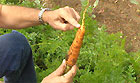
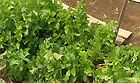
Don returned to the Rowland Village vegetable patch at Galston in New South Wales, and checked to see if the carrots, sweet potatoes and parsnips were ready to harvest.
Carrot (Daucus carota)
There are many varieties of carrots. Topweight, Western Red and All Seasons are popular long-rooted varieties, while King Chantenay and Early Horn have shorter, stumpy roots. Baby Carrot is a sweet, tender variety which is excellent for growing in pots and troughs.
Seed can be sown from July to March in temperate zones and August to February in cold districts. In northern areas you can sow at anytime (although the very hot months are best avoided). It is best to make successive sowings at 4-6 week intervals.
Most varieties take 12-16 weeks from sowing to harvest. Pick them when the size suits you. You can spread the harvest by pulling smaller carrots early, and allowing others to grow bigger. Remember that smaller carrots taste sweeter, so don’t leave them in the ground too long.
Sweet potato (Ipomoea batatus)
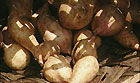
Sweet potatoes grow best in tropical and subtropical areas, or very warm temperate zones. They need a long, warm growing season for the roots to mature. White-fleshed varieties take much longer to mature than varieties with orange flesh. They can be harvested through autumn and winter (you will have to dig a few up to check if they are ready). After harvest leave the tubers in the sun for a few days to cure, then store them in a cool, dry, airy place.
Parsnip (Pastinaca sativa)
Parsnips grow best in a crumbly, open soil. Sow in February to September in hot areas, July to March in temperate climates, and August to February in cold zones. They take 18-20 weeks to mature, and can be harvested throughout summer, autumn and winter. Spread the harvest by pulling some parsnips early, and leaving the others in the ground. They can be left in the ground over winter, when growth is slow. After harvest, remove the tops and store in the crisper section of the fridge. Popular parsnip varieties include Hollow Crown and White Gold.
Further reading
‘Yates’ Garden Guide’ (2000, ISBN: 0207191891, $27.44 paperback).