|
|
|
In the Garden > Gardening Tips, Books, Techniques and Tools
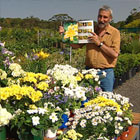
Colour is one of the most impressive and memorable aspects of every good garden bed. Don looked at some of the fabulous colour that is available at nurseries these days, with some tips on how to use it in the garden.
It’s possible to create impressive garden displays by sorting your plants into flower colour groupings, rather than plant types. The possible combinations are endless and they will vary according to climate, but here are just a few to get you started.
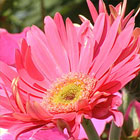
Pink: camellia, foxglove, gerbera, cosmos, verbena, dianthus, Canterbury bells
Blue: hydrangea, agapanthus, cornflower, delphinium, salvia, lechenaultia
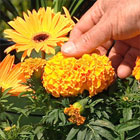
Orange: dahlia, zinnia, marigold, Californian poppy, canna lily, gazania, clivia
Red: waratah, callistemon, fuchsia, peony, penstemon, pelargonium, tulip
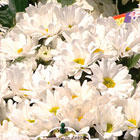
White: magnolia, gordonia, hyacinth, viburnum, gardenia, petunia, Federation Daisy
Purple: wisteria, lavender, rhododendron, tibouchina, bougainvillea, lilac
Yellow: lilium, daffodil, sunflower, hypericum, laburnum, acacia, rudbeckia
Rather than having just one flower colour in a garden bed, try using complementary or harmonious colours.
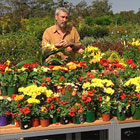
Hot mix: hot colour mixes are made up of red, orange and yellow flowering plants. Hot mixes are ideal for the more tropical areas of Australia, or towards the beaches. These combinations work well around a neutral coloured house, which could be white, beige or cream (they probably wouldn’t work well with red brick!).
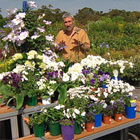
Cool mix: a combination of blues, purples and whites that is very safe and easy to use. This classic, informal mix of relaxing colours is great around older style, wooden houses.
Gold mix : a variation of the hot mix made up of yellows, golds and even oranges.
Different coloured annuals can be used to create varying effects each season. Annuals provide quick colour that can be bold or subtle. In new gardens, they are ideal for filling bare spaces while more permanent plants grow to size. To achieve a continuity with annuals, buy seedlings in each season or sow seed each season for the next one.
Flowering perennials can be used to form the backbone of a flower garden and create a framework in which annuals are used. Many perennials flower from spring to autumn and a few will flower in winter. Unlike annuals, which need replanting, perennials will perform for many years.
For more tips on using colour in the garden, see the November edition of the Burke’s Backyard magazine. It is available at newsagents and supermarkets for $5.50.
Copyright CTC Productions 2003
|
|