

Strong Bones
Osteoporosis is a condition in which the bones lose some of their density and become fragile. It’s becoming very common in Australia, mainly because we’re living much longer. Most people reach their peak bone density in their late teens, but Australian studies show that by the time they are 60, about 25% of men and 60% of women in this country develop osteoporotic bone changes.
For good bone strength you need:
the right genes enough calcium plenty of exercise enough body weight good hormone levels
Diet
A certain level of calcium in the blood is necessary for muscles and nerves to function properly. If your diet is lacking in calcium, your body takes some from your bones. A good supply of calcium can be found in:
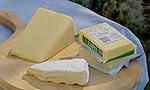
dairy products (both full fat and low fat) soy drinks with added calcium some fish flesh, and the bones in canned fish
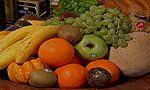
Fruit and green vegetables (good sources of potassium, magnesium and vitamin K) are also important for strong bones.
Exercise
Physical activities like walking and playing sport strengthen bones. They also improve your muscle tone so you’re less likely to fall over and break a bone. To develop good, dense bones don’t get too thin, particularly if you’re a woman. If you are naturally light, weight-bearing exercise is especially important. A recent study shows that the best exercise for bone strength is gardening!
Bone Density Test
The most accurate method of measuring bone density needs a referral from your doctor. Bone density tests are not covered under Medicare unless you meet some strict criteria. A test may cost $80-$100, but it is well worth finding out if you are at risk of osteoporosis, and whether you need to do something to prevent osteoporotic fractures.
Rosemary’s recipe for strong, healthy bones
Get enough exercise, get enough calcium and don’t get too skinny.