
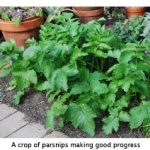
Parsnip puree
Wash, peel and prepare parsnips, cutting out any central woody cores. It doesn’t matter if you end up with lots of small pieces of parsnip. Now, fry the parsnip pieces in a knob of butter for 5 minutes, until they change colour, then pour over just enough hot beef (or chicken) stock to cover them (not too much). Let the parsnips cook in the stock until tender (test the biggest piece with a metal skewer). Drain off the stock (but retain some in a bowl). Put the parsnips in a blender, along with a spoonful of stock, and puree until smooth. Add a tiny bit more stock to make it smooth, if necessary.
Optional extra 1: if you’re using chicken stock, add in a sprig of thyme leaves.
Optional extra 2: and if you’re using beef stock, add in a crushed clove of garlic as well.
Optional extra 3: if using either the chicken stock or the beef stock, for parsnips with a spicy difference, add in half a teaspoon of curry power and see how you like the results.
Roasting parsnips
Parsnips can be part of a winter roast, along with potatoes, onions, pumpkins, turnips, carrots, eschallots, garlic and herbs. Parsnips taste best if roasted with meats such as lamb, beef or chicken. Lots of cooks like to put their parsnips under the piece of roasting meat, to absorb the juices as they cook. Depending on their size, parsnips will take around 45 minutes to roast at around 200°C. As far too many parsnips sold in shops have a woody, tough, central core, cut them in halves or quarters lengthways before cooking, and wedge out this woody core. Cut off the long, thin root at then end and discard.
Optional extra 1: if you’re roasting root vegetables on their own, before adding to the baking dish, put them all in a big bowl, grind over some sea salt and pepper, then drizzle over a good splash of extra-virgin olive oil, plus a dessertspoon of balsamic vinegar and toss all the vegies in this mix until well coated, then roast at 200°C for about 45 minutes, shaking the baking pan occasionally to prevent sticking.
Optional extra 2: instead of adding balsamic vinegar to the olive oil and the vegies prior to roasting, try a teaspoon of honey instead.
Parsnip chips
Prepare your parsnips then cut them into 2mm thick slices (ie, quite thin – try a vegie peeler for this job). Now, heat a 1cm deep puddle of olive oil in a small frypan until hot (test for hotness by adding just one parsnip piece, or a small piece of bread – if it bubbles instantly when it hits the oil, it’s hot enough). Now add the parsnip chips in small batches and let them cook for just 2-3 minutes, until they start to brown. Scoop out with a slotted spoon, and put on paper towels to dry, while you cook the next batch. When they’re all done sprinkle with salt and serve either as a snack for guests, or as a side dish to grilled or barbecued meats.
Honeyed parsnips
Steam or boil 500g prepared parsnips until tender, then set aside. Now combine 25g butter, 2 tablespoons of orange juice, 1 tablespoon of lemon juice and 2 tablespoons of honey in a saucepan and warm up until the honey melts and combines with the juices. Now add the cooked parsnips to the pan, and let them absorb the flavours and brown slightly for about 5-10 minutes. Serve hot as a side dish.