
Food Myths
Some old wives’ tales hold more than a grain of truth, and probably developed from long observation that certain eating habits led to healthier lives. However, others are just pure myth. Rosemary Stanton looks at some of the more popular myths about food, to see how they stand up to the scrutiny of modern science.
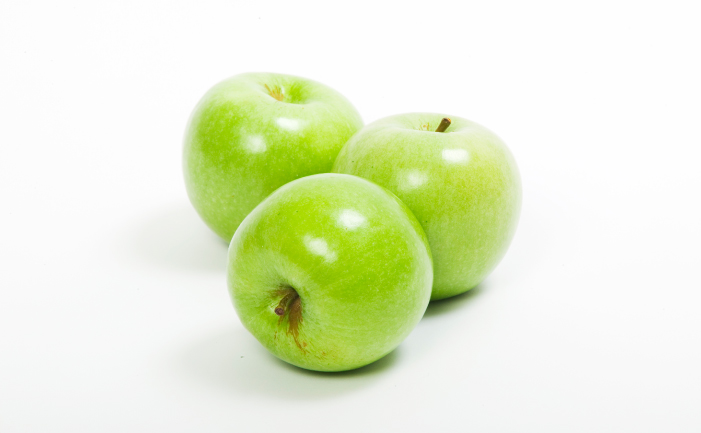
Myth: An apple a day keeps the doctor away.
Fact: Apples aren’t a notable source of vitamins. However they are a major source of some anti-oxidants and a good source of boron, a mineral needed for good bone density.
Myth: Carrots help you see in the dark.
Fact: Carrots are an excellent source of vitamin A, which is essential for good night vision. But as we age, it might be better to eat spinach to help us see, because spinach contains anti-oxidants which help prevent some types of eye degeneration in elderly people.
Myth: You should run a fork down the sides of cucumbers to let the poisons out.
Fact: Not true, there aren’t any poisons in cucumbers.
Myth: You shouldn’t peel vegetables because all the goodness is just under the skin.
Fact: The skin does reduce vitamin loss during cooking. But the real reason you should eat the skin is that it has thousands of anti-oxidants which the vegetables deposit as a defense against insect attack, drought or other harsh growing conditions.
Myth: Vegetables should be eaten raw.
Fact: It is true some vitamins are lost when vegetables are cooked, but others, such as the beta carotene in cooked carrots, are more readily available to the body. Lycopene, an anti-oxidant in tomatoes, is more easily absorbed from cooked tomatoes, but the vitamin C in tomatoes is best when raw. So it’s better to have some vegetables raw, and some cooked.
Myth: Burnt toast is good for indigestion.
Fact: The charcoal may help prevent indigestion, but burnt foods contain cancer-causing substances and should be kept to minimum levels.
Myth: Meat takes days to digest.
Fact: Meat digests within four to five hours. Dietary fibre in fruits, vegetables and whole grains takes 48 to 78 hours to digest – much longer than meat. This isn’t a problem, but neither is the digestion of meat. Humans are omnivores and can digest a wide range of foods.