
Eyes and Skin
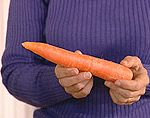
Carrots really are related to seeing in the dark. They are a rich source of beta carotene, which the body converts to vitamin A, and vitamin A is needed for vision in dim light. Just one medium carrot has enough beta carotene to supply two days’ worth of vitamin A. Eating an excessive number of carrots won’t give any extra benefits, but can turn your skin yellow.
Cataract protection
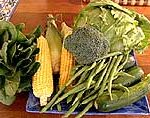
Two compounds found in vegetables seem to provide anti-oxidant protection against cataracts. The compounds, called lutein and zeaxanthin, belong to the carotenoid family and are found in large quantities in the lens of the eye. Three studies have shown that people whose diets are high in lutein have a lower incidence of cataracts. Lutein also seems to prevent macula degeneration, which is a common cause of loss of sight in old age. While we await further studies, it seems wise to: Eat vegetables such as spinach, broccoli, sweet corn, zucchini, lettuce and green beans, which all have fairly good levels of lutein and zeaxanthin. Avoid taking high levels of beta carotene in supplements because that can interfere with the absorption of lutein. Get enough vitamin E, which is also important for healthy eyes. Supplements are safe, or you can enjoy it in foods such as wheatgerm, nuts, seeds, soy beans, vegetable oils, spinach and apples.
Healthy skin
Clear skin is a product of genes, diet, sun and wind avoidance and sleep. There is no evidence that chocolate causes pimples, although the studies that chocolate sellers say cleared their products were not especially impressive and were done about thirty years ago. If you notice increased skin eruptions after eating any food it makes sense to avoid that food. Some people think drinking lots of water flushes toxins out of the skin. There is no evidence for this, but drinking water is a healthy habit for the rest of the body. Drinking too much alcohol can cause flushing and lead to broken blood vessels on the face.
The bottom line
The very best way to look after your skin and your eyes is to eat plenty of fruit and vegetables.
References
Lutein & cataracts
Brown L, Rimm EB, Seddon JM, Giovannucci EL, Chasan-Taber L, Spiegelman D, Willett WC, Hankinson SE. A prospective study of carotenoid intake and risk of cataract extraction in US men. Am J Clin Nutr 1999;70(4):517-24
Chasan-Taber L, Willett WC, Seddon JM, Stampfer MJ, Rosner B, Colditz GA, Speizer FE, Hankinson SE. A prospective study of carotenoid and vitamin A intakes and risk of cataract extraction in US women. Am J Clin Nutr 1999;70(4):509-16
Lyle BJ, Mares-Perlman JA, Klein BE, Klein R, Greger JL. Antioxidant intake and risk of incident age-related nuclear cataracts in the Beaver Dam Eye Study. Am J Epidemiol 1999;149(9):801-9
Khachik F, Bernstein PS, Garland DL. Identification of lutein and zeaxanthin oxidation products in human and monkey retinas. Invest Ophthalmol Vis Sci 1997;38(9):1802-11