
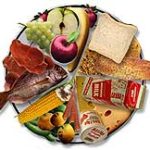
Many people are convinced that foods cannot supply the vitamins they need, so they take supplements. In fact, fresh food can meet all our nutritional requirements, and it tastes great! The key to a healthy, balanced diet is to eat foods from all five major food groups: Fruit Vegetables Grains and cereals Protein Dairy products
Fats and oils do not have a food group of their own; they are an extra. The best oil you can get is olive oil, and it is even better than sunflower or canola oils for preventing the formation of blood clots in your arteries.
Fruits are an excellent source of vitamins and antioxidants, and also provide fibre. Choose 2 servings a day, say a sliced banana or other fruit on breakfast cereal, and an apple or another piece of fruit in the afternoon. Theories that you should eat fruit on its own are wrong. Your body can happily digest fruit along with other foods.
Vegetables are vitally important to protect us against heart disease and cancer, and we should have at least 5 servings a day. For example, a big plate of salad might add up to 3 servings, a vegetable soup could easily be 2 servings and stir-fried vegetables or a vegetable curry could also easily add up to 5 servings.
Grains and cereals are rich in minerals, B vitamins, vitamin E, starchy carbohydrate, dietary fibre and protein. Eat them according to your energy needs, with a minimum intake of 4-7 servings a day. You could get 1-2 servings from a bowl of breakfast cereal and at least 4 servings from an average bowl of pasta. Some diet books say that you should separate carbohydrates from proteins, but a Swiss study has just shown that there are absolutely no benefits for weight loss from food separating.
Meat, fish, poultry, eggs, nuts, seeds and legumes provide protein and many vitamins of the B complex. Seafood is an excellent source of omega 3 fatty acids. Adults need 1 average serving of protein-rich food a day; children and adolescents need 2 servings to provide extra growth. Try to have fish (fresh or canned) twice a week. Make sure meat doesn’t take up more than a quarter of the plate and fill the rest with vegetables and some grain food.
Dairy products are excellent sources of calcium, and also provide protein, riboflavin and many minerals. 2 servings a day will provide a good percentage of the daily calcium needs. A serving equals a glass of milk, a slice of cheese or a 200g tub of yoghurt.
Further reading
Also useful is Rosemary Stanton’s Fat & Fibre Counter (Wilkinson Books, $3.95).