
Over 2.7 million Australians have arthritis, which makes it the most common chronic health condition in the community. Arthritis simply means inflammation of the joints and is not a disease in itself. It is not just a problem of the elderly as most cases develop between the ages of 15 and 65. More than 100 different diseases associated with inflammation of the joints come under the heading of arthritis, but the most common ones are:
osteoarthritis
gout
rheumatoid arthritis
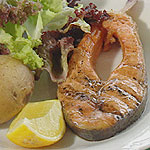


In our segment, Nutritionist Rosemary Stanton discussed three important dietary aspects for arthritis sufferers to consider:
- Lose any excess weight. You can do this with a low fat diet and as much exercise as your arthritis will allow. Excess weight puts a strain on the joints and makes arthritis much worse.
- Eat fish or other seafood 2-3 times a week. The omega 3 fats in seafood have an anti-inflammatory action, and research shows that fish has special value for people with rheumatoid arthritis.
- Increase your intake of natural anti-oxidants called polyphenols. These are found in extra virgin olive oil, fruit and vegetables. Rosemary suggests including fruit and vegies in every meal, and using olive oil on salads.
Gout
Gout sufferers produce too much uric acid. They need to cut down on fatty foods, only have small servings of meat and minimise alcohol intake, as the body cannot excrete excess uric acid when it is excreting the breakdown products of alcohol.
Foods to avoid?
There are lots of myths about what people with arthritis should and should not eat. However, Rosemary says that most people don’t need to avoid acidic foods like citrus fruits and pineapple, and that foods in the nightshade family, such as tomatoes, capsicum, eggplant and potatoes, don’t usually cause problems. A few people do have an intolerance to substances called amines that you find in tomatoes and some other foods, but most people with arthritis have no problem eating tomatoes. If you think you have an intolerance to any food, see a dietitian. Some arthritis sufferers find a vegetarian diet helpful, but that does not work for everyone.
Further information
To locate an Accredited Practicing Dietitian, phone the Dietitians Association of Australia on 1800 812 942, or look under ‘Dietitians’ in your local Yellow Pages.