
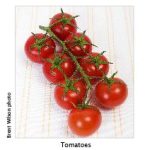
Antonio’s tomato toast
crusty bread, sliced thickly (sourdough is ideal)
several large garlic cloves, cut in half
several ripe tomatoes, cut in half
olive oil, for drizzling
salt, for sprinkling
1. Put the bread under a griller or on top of a barbecue, and lightly toast it on both sides (but don’t toast it too much).
2. Rub a cut garlic clove into the toasted bread on one side, then rub a tomato half into the bread, so the juice and seeds go in, and some of the tomato flesh sits on top. Discard the tomato skin.
3. Sprinkle with salt, drizzle with olive oil, and serve as an appetiser.
Note: our thanks to chef Antonio Romero for the recipe. It’s a classic dish from the Catalan region of Spain, and Antonio makes it perfectly every time!
Pam’s slow-roasted tomatoes
Slow-roasting tomatoes intensifies that classic ‘tomatoey’ flavour, and the classic cooking tomato – the Roma egg tomato – is the ideal one to use.
Roma tomatoes
salt
freshly ground black pepper
raw sugar
olive oil
1. Preheat an oven to slow (120°C).
2. Cut the tomatoes in half lengthways then arrange them fairly closely together in a lightly oiled baking dish, with the cut sides facing upwards. Sprinkle with salt and pepper, add just a few grains of sugar for each tomato, and drizzle lightly with olive oil.
3. Bake for at least 90 minutes, or up to 2 hours (depending on how big the tomatoes are). Remove from the oven and let them cool down a little (ie, for 15 minutes) before removing from the dish with a flat slice.
Tips: you can use these slow-roasted tomatoes as a warm vegetable side dish on their own; served cold as part of an antipasto platter; tossed at room temperature into a mixed-leaf salad; or combined warm with grilled vegetables (such as eggplant, zucchini, capsicum, asparagus) in a mixed, grilled vegetable salad.
Greek-style baked vegetables for a crowd
This is the ultimate ‘no-panic’ complete vegetable side dish for 8 people. The beauty of it is that you can cook this dish an hour or two in advance and dish it up hot, warm or lukewarm and it still tastes great. You don’t have to worry about getting its timing right with the meats and other dishes you’re cooking.
3 tablespoons olive oil
2 medium onions, peeled, each cut lengthwise into 8 chunks
500g chat potatoes, cut in half
500g zucchini, cut into 2cm chunks (see tips, below, for alternatives)
2 capsicums (or mild banana chillies), cut into 1cm wide slices or pieces
4 cloves garlic, crushed
4 tablespoons water
2 tablespoons fresh parsley, chopped
1 tablespoon fresh dill, chopped
8 ripe tomatoes, peeled and chopped (see tips 2, below)
salt and pepper to taste
aluminium foil, to cover the baking dish
1. Preheat the oven to 180°C.
2. Coat a large baking dish with the olive oil, then pile all the vegetables and the garlic into the baking dish and toss a few times to combine them and coat with oil. Settle them out so they form an even layer. Slosh the water over the top, then sprinkle the chopped herbs evenly over the top, then top all this with a layer of chopped fresh tomatoes. Add salt and pepper to taste, cover the baking dish with a foil lid and bake for 1 hour in the oven.
3. After 1 hour, remove and discard the foil, give the vegies a stir to mix all the flavours together, then return to the oven for at least another 30-45 minutes, or until all the vegies are tender. At the stage when all the vegies are done, you can turn off the oven and let the vegies cook a bit more as the oven cools down, or you can just remove it from the oven and set aside until needed. This dish is fine served straight away, or at any time over the next couple of hours. Some say the cooler they get, the better the flavour!
Tips 1: you can vary the vegies according to what’s around, or what you prefer. Eggplant is a good Greek-style addition, but not everyone likes eggplant (or zucchini, for that matter). Instead, toss in some carrots, beans or cauliflower florets. The essential ingredients of this dish’s flavour are the onions, potatoes, fresh herbs, garlic, olive oil and tomatoes.
Tips 2: to peel tomatoes, cut a cross in the end of each tomato with a sharp knife. Drop each tomato into a saucepan of simmering water for a minute or so, then lift out with tongs and drop into a bowl of cold water. The skins should peel off easily. If they don’t, let them sit in the simmering water a little longer.