
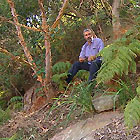
Don believes that the original concept of conservation was wrong, because the world is changing. There is really no part of the planet that isn’t feeling the impact of man’s hand, so trying to preserve things exactly as they once were is futile. The issue really is that we have to manage change, not try and pretend that things will never change.
Good or bad?
We’ve actually come to a stage in the history of the world where we really don’t know what’s bad for an area and what’s good. For example, exotic plants such as lantana and privet have escaped from gardens and are colonising urban bushland areas. These ‘weeds’ thrive in the moist, nutrient-rich outflow from septic tanks. So do some Australian native plants, including native daphne (Pittosporum undulatum) and bleeding heart tree (Omalanthus populifolius), which are now also regarded as weeds. Surprisingly, native animals have adapted to the situation and use both native and exotic plants for food and shelter. So are we really sure if all native plants are good, while all weeds (including native weeds) and exotic plants are bad?
Amazing animals
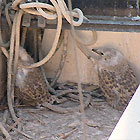
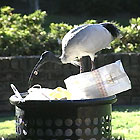
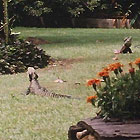
All around Australia, wherever you look, smart animals are adapting to changes caused by humans: blue tongue lizards in backyards, eastern water dragons living in pools, dams and water features, frogs in backyard ponds, birds and possums living in houses. All these animals are living and breeding in what environmentalists of the past would regard as a very disturbed environment. One of the most adaptable of all birds is the great urban survivor, the seagull (Iarus novaehollandiae). Although seagulls usually nest on islands far away from human habitation, they are being seen more frequently in built-up areas. Don pointed out some seagulls breeding on a boat moored near a marina. Two chicks were sitting in a nest under the driver’s seat! This is just another example of animals adapting to the growing human environment, rather than being overwhelmed by it. Animals aren’t fixed in their ways and will exploit the opportunities we provide.
Further reading
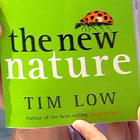
Tim Low’s new book, The New Nature, really comes to grips with the dynamics of change on the planet, and gives us a chance of saving all our precious plants and animals for years into the future. It is published by Penguin Books and is available from bookstores nationally (recommended retail price, $29.95).