
Burke's Backyard Overseas
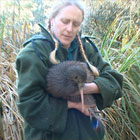
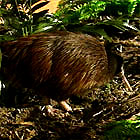
Don met with Tara Atkinson-Renton, Head of the New Zealand Native Section at Orana Wildlife Park in Christchurch. Tara showed Don around the Kiwi Breeding Unit (KBU), which houses three kiwis, a breeding pair and a young male named ‘Mana’. On the day Burke’s Backyard visited, Mana was given his annual health inspection.
North Island Brown Kiwi (Apteryx mantelli) have been held at Orana Wildlife Park for a number of years. In this time several chicks have hatched and survived to maturity. In fact, the Park’s breeding pair have produced three healthy chicks in the last three years.
Amazing ratites
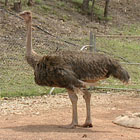
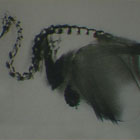
Kiwis are the smallest of the ratites, a group of flightless birds that includes the South American rhea, the African ostrich, the Australian emu and the extinct moa of New Zealand. The Giant Moa was taller than three metres and weighed about 250 kilograms. The smallest moa was about the size of a turkey. The Maori people valued the moa as a valuable source of food and clothing, and by the 1500s the giant birds were totally extinct.
Moas showed extreme size variation both within and among species. It was once thought that this large variation represented the existence of either three different species or perhaps represented sexual dimorphism (the differences between sexes of the same species). A common example of sexual dimorphism is an animal’s size. For example, in some species, especially amongst mammals, the male is larger than the female.
Recent DNA studies in New Zealand show two interesting facts;
Unique bird
The kiwi is the national animal symbol of New Zealand. There are several species, but their numbers are declining due to predation and habitat loss. Pigs, dogs, cats, stoats, ferrets, possums and humans threaten their chances of survival.
These, flightless, nocturnal birds have vestigial wings, stout legs and nostrils at the tip of their long beaks. They actually resemble mammals in some ways: they have bone marrow rather than hollow bones, their body temperature is higher than that of most birds and they have a highly developed sense of smell. They use their sharp, three-toed feet to kick and slash, and they use their keen sense of smell and flexible bills to feed on worms, insects, leaves, berries and seeds.
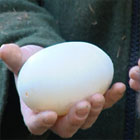
Kiwi pairs usually bond for life. They nest in hollow logs, under tree roots, in natural holes or in burrows excavated mainly by the male. Clutches usually contain one or two huge eggs, which may be up to one-quarter of the hen’s weight. Eggs hatch in about 11 weeks and the chicks remain in the nest for 6-10 days before venturing out to find food. The present mortality rate of kiwi juveniles is around 90% and there are fears that when the current generation of adults dies out, there won’t be enough young survivors to replace them.
Orana Wildlife Park
McLeans Island Road
Christchurch, New Zealand
The Park is open daily from 10am-5pm.
Email: info@oranawildlifepark
Website: www.oranawildlifepark.co.nz
Copyright 2003 CTC Productions
|
|
||||||||||||||
|
|||||||||||||||